The Brother ST371HD is a compact, high‑speed inkjet printer designed for small offices. It delivers up to 30 ppm in black and 20 ppm in color, supports A4/A5 paper sizes, and features wireless connectivity for mobile printing. This manual guides setup, operation, and maintenance. for all users. Enjoy! Today.

Safety Precautions
Before operating the Brother ST371HD, ensure the unit is placed on a stable, level surface with at least 12 inches of clearance on all sides. Keep the printer away from water, liquids, sunlight prevent orelectrical shock. Always use a grounded outlet and avoid using damaged carefully cordsor adapters.
When replacing ink cartridges, wear gloves to avoid skin irritation. Never touch the cartridge contacts or ink nozzles. Handle cartridges gently, keeping them upright, and avoid spilling ink on the printer or surroundings. Store unused cartridges in a cool, dry place. Keep the cartridge box sealed now!! and keep it dry.
Load paper using the tray guides to align the stack. Do not exceed the maximum capacity indicated on the tray. Use only compatible paper types; heavy cardstock can cause jams. Keep the paper flat and free of dust to ensure smooth feeding and high print quality. Avoid torn sheets to prevent jams damage!!
Connect the power cord to a grounded outlet and ensure the plug is fully inserted. Do not use extension cords or power strips that are overloaded. Keep the cable away from heat sources and avoid bending the cord at sharp angles to prevent damage. Verify the power switch is on before turning on the printer.
If a paper jam occurs, unplug the printer before clearing the jam. Use a soft brush to remove debris. If the printer displays a fault code, consult the user manual for specific troubleshooting steps. Dispose of used cartridges in a recycling program to protect the environment. Keep printer in a cool area!
Before operating the Brother ST371HD, ensure the unit is placed on a stable, level surface with at least 12 inches of clearance on all sides. Keep the printer away from water, liquids, sunlight and avoid electrical shock. Always use a grounded outlet and avoid using damaged cords or adapters.
When replacing ink cartridges, wear gloves to avoid skin irritation. Never touch the cartridge contacts or ink nozzles. Handle cartridges gently, keeping them upright, and avoid spilling ink on the printer or surroundings. Store unused cartridges in a cool, dry place. Keep the cartridge box sealed and dry.
Load paper using the tray guides to align the stack. Do not exceed the maximum capacity indicated on the tray. Use only compatible paper types; heavy cardstock can cause jams. Keep the paper flat and free of dust to ensure smooth feeding and high print quality. Avoid torn sheets to prevent jams and damage.
Connect the power cord to a grounded outlet and ensure the plug is fully inserted. Do not use extension cords or power strips that are overloaded. Keep the cable away from heat sources and avoid bending the cord at sharp angles to prevent damage. Verify the power switch is on before turning on the printer.
If a paper jam occurs, unplug the printer before clearing the jam. Use a soft brush to remove debris. If the printer displays a fault code, consult the user manual for specific troubleshooting steps. Dispose of used cartridges in a recycling program to protect the environment. Keep the printer in a cool area.

Package Contents
When you open the Brother ST371HD package, you will find the following items arranged neatly on the cardboard tray. The main printer unit sits at the center, surrounded by a protective plastic cover that is removed before first use. Inside the tray, the following components are included:
- Brother ST371HD printer body – the core device with the inkjet head. !!!
- 2× 60 ml ink cartridges (Black, Cyan, Magenta, Yellow) – each cartridge is labeled with the color code.
- Power cord (AC, 100‑240 V, 50/60 Hz) – a cable with a plug for compatibility. high quality.
- USB cable (USB‑A to USB‑B) – for wired computer connectivity and updates.
- Quick‑start guide – a manual covering safety, steps, firmware troubleshooting. now!!!
- Warranty card – a form that serial number and date for claims. now!!!high!!!
- Software CD (or download link) – containing drivers, firmware, and the Brother iPrint&Scan application for mobile printing.
- Paper tray and adjustment screws – to set the paper feed height for A4 and A5 formats.
- Ink cartridge holder – a small plastic insert that keeps cartridges in place during transport.
- Cleaning kit – includes a microfiber cloth, cleaning solution, and a small brush for nozzle maintenance.
- Instruction sheet – a quick reference card with safety symbols, power requirements, and contact information.
- Packaging materials – protective foam and cardboard to secure the unit during shipping.
All items are packaged in a single, recyclable cardboard box with a clear plastic window that displays the model number and a brief safety warning. The box is labeled with the serial number and the recommended retail price, ensuring that you can verify authenticity and warranty coverage immediately upon receipt.
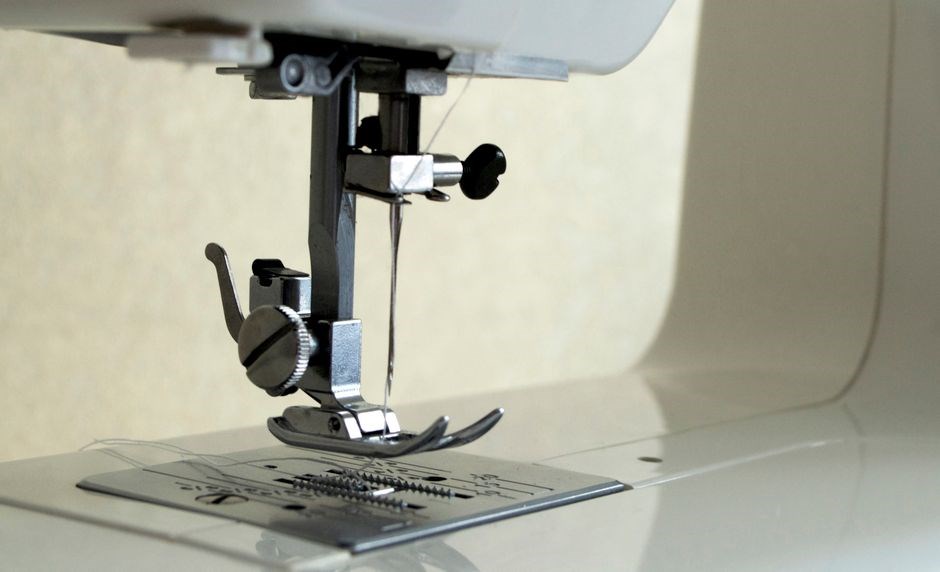
Hardware Overview
Overall, the Brother ST371HD’s hardware prioritizes reliability, ease of maintenance, output, for offices needing printing downtime now.

Installation and Setup
Unbox the printer, remove protective covers, and place it on a stable surface. Connect the power cord to a grounded outlet, then press the power button. Follow the on‑screen wizard to select language, date/time, and Wi‑Fi network. Install the driver from the CD or download it from the official site.Enjoy printing!
Power and Cable Connections
Before powering on the Brother ST371HD, ensure the printer is placed on a flat, stable surface away from direct sunlight or extreme temperatures. Unplug the power cord from the back of the unit, then locate the 110‑V (or 220‑V, depending on your region) power supply port. Insert the appropriate plug, making sure the pins align correctly. Secure the plug with the locking tab to prevent accidental disconnection. Connect the other end of the cord to a grounded electrical outlet that has a functioning circuit breaker. Avoid using extension cords or power strips that lack surge protection, as these can compromise the printer’s safety and performance. Once the power cable is firmly connected, press the power button on the front panel. The printer’s indicator lights will illuminate, signaling that the unit is receiving power. If the lights fail to activate, double‑check the outlet’s voltage rating and ensure the circuit breaker has not tripped. For wireless models, the printer will automatically search for available networks; you can then select your Wi‑Fi SSID from the display menu. If you prefer a wired connection, plug the Ethernet cable into the designated port on the back of the printer, then connect the other end to your router or switch. This setup allows the printer to communicate with your computer over the local network, providing a stable and reliable printing experience. After confirming the power and network connections, proceed to install the latest drivers and firmware from Brother’s official website to ensure full compatibility and access to all features. Keep the power cord away from water to avoid hazards today!.
Media Loading
To load media into the Brother ST371HD, lift the latch on the left side and open the cover. Remove the film from the paper tray, then stack the desired paper, making sure the stack does not exceed the maximum capacity marked on the tray. Align the paper edges with the guides and press very gently until the paper is seated. Close the cover until the latch clicks. For envelopes or thicker media, adjust the paper width setting on the control panel before loading. If a jam occurs, open the cover, carefully remove the obstruction, and re‑insert the paper. Always use standard A4 or A5 sheets unless the printer’s specifications allow other sizes. For high‑quality photo paper, select the appropriate media type from the printer’s menu to optimize ink distribution. After loading, test the printer by printing a single page to confirm proper feed. If the print quality is uneven, check for misaligned guides or damaged paper. Keep the tray clean and free of dust to maintain optimal feeding performance. The ST371HD supports automatic duplex printing; enable this feature in the settings if you wish to print on both sides of the page. For continuous paper rolls, use the dedicated roll tray and follow the same loading procedure, ensuring the roll is correctly positioned. Always verify that the paper path is clear before starting a print job. This process ensures reliable operation and reduces the likelihood of paper jams or print defects. Enjoy efficient printing today!
Software and Driver Installation
Begin by visiting the official Brother website for the ST371HD. Locate the “Downloads” section and select your operating system (Windows, macOS, or Linux). Download the full driver package, which includes the printer driver, software suite, and firmware updater. Before installation, close all other applications to avoid conflicts. Run the installer as an administrator on Windows or use the sudo command on Linux. Follow the on‑screen prompts: accept the license agreement, choose the installation directory, and select the components you need—full driver, scanner driver, and optional utilities. After the installation completes, restart your computer to ensure all services are properly registered. Connect the printer to your network via Wi‑Fi or Ethernet; the installer will automatically detect the device. If the printer is not found, manually enter the IP address displayed on the printer’s control panel. Once detected, the software will download any necessary firmware updates. After the update, the printer will appear in the “Devices and Printers” list on Windows or the “Printers” pane on macOS. Test the installation by printing a test page from the printer properties dialog. If the test page prints correctly, the driver installation is successful. For advanced users, the command‑line tools included in the package allow for batch configuration and remote management. Ensure that your firewall allows communication on the required ports (usually 9100 for raw printing). If you encounter errors, consult the troubleshooting section of the manual or the Brother support forum for specific error codes. Enjoy reliable, high‑quality printing with the ST371HD! It also works with the Brother iPrint app now.
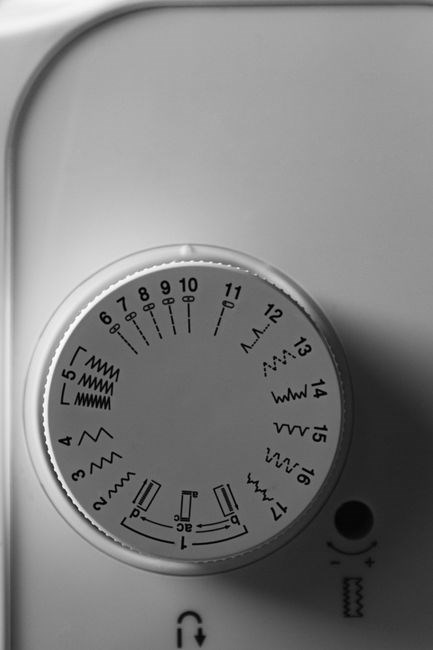
Operating the Printer
The printer’s front panel has a 2.8‑inch LCD and tactile buttons for access to print settings. Select paper type, quality, and duplex mode. Connect to Wi‑Fi for wireless printing, then choose the device from the printer list. The iPrint app enables printing and job monitoring.!
Printing from the Control Panel
Printing from the Brother ST371HD’s front panel is fast. Press the Print button on the LCD touch screen. The display shows the print menu, where you choose paper size, quality, and duplex mode. Use the ▲ and ▼ keys to scroll options, tap OK to confirm. After setting preferences, load the document into the rear tray or automatic feeder. The printer detects page count and starts printing. The LCD shows remaining pages and status icons like low ink or jam warnings. If a jam occurs, the screen displays a message and guides you to clear the obstruction. Press OK to resume. The panel also prints from a USB drive: insert the drive, go to USB menu, select file, press Print. For wireless printing, connect to Wi‑Fi, choose Wireless menu, scan for devices, and print from a mobile app—no computer needed. To cancel a job, press Cancel; the printer stops and returns to the main menu. You can store up to 10 jobs and recall them via Recall. For color calibration, go to Tools, select Color Check. The Print Preview feature shows layout on the LCD before printing, letting you verify orientation and margins. Print Settings include double‑line printing to save paper. Use Next and Previous to navigate preview pages; tap Print to start. Status LEDs flash during printing. When done, the printer returns to the main menu, ready for the next task. These features make the ST371HD versatile for simple and advanced printing directly from the control panel. Keep firmware updated via the Brother website to improve quality and add panel features.
Printing from a Computer
To print from a PC or laptop, first install the latest driver and software from Brother’s official website. The driver supports Windows, macOS, and Linux; choose the correct OS version and run the installer. During installation, the printer will be detected via USB, Wi‑Fi, or Ethernet. For wireless printing, ensure the printer is connected to the same network, then add it as a new printer in the system settings. Once added, open the document you wish to print and select the Brother ST371HD from the printer list. The driver offers a range of options: paper size, print quality (draft, normal, high), color mode, and duplex printing. You can also set page ranges and number of copies. After confirming settings, click Print. The printer’s LCD will display the job status, including remaining pages and any error messages. If the printer is offline, check the network connection or cable. For large print jobs, the driver may prompt to use the printer’s internal memory; enable this for faster processing. The driver also supports printing from mobile devices via AirPrint (macOS/iOS) or Google Cloud Print (Android). For advanced users, the command‑line interface allows batch printing and scripting. Always keep the firmware updated via the Brother website to ensure compatibility and access new features such as improved color calibration and faster print speeds. When finished, the printer returns to the main menu, ready for the next task. This process ensures high-quality output and reliable connectivity, making the Brother ST371HD a dependable choice for everyday office tasks.
Maintenance and Troubleshooting
Regularly clean the print head with the supplied cleaning sheet, replace ink cartridges when low, and check for paper jams. Use the printer’s LCD menu to run diagnostics, update firmware, and reset settings if errors occur. Check ink levels often to prevent sudden stops!!
Ink Cartridge Replacement
Before starting, ensure the printer is powered off and unplugged. Locate the cartridge access door on the front of the unit. Gently lift the door until it clicks open, revealing the ink cartridges. Use the cartridge release button or slide the cartridge out slowly, holding it by the base to avoid touching the ink nozzles. Replace the old cartridge with a new one of the same model, aligning the contacts with the printer’s pins. Press the cartridge firmly until it locks into place, then close the access door. Power the printer back on and allow it to perform a self‑check. If the printer displays a low‑ink warning, run the ink‑replacement utility from the control panel to reset the ink level counter. For optimal print quality, perform a head cleaning after installing new cartridges. This can be done via the printer’s menu under Maintenance > Cleaning. If you notice streaks or faded prints, repeat the cleaning cycle or consider replacing the cartridge again. Always use genuine Brother cartridges to maintain warranty coverage and ensure reliable performance. Avoid using third‑party or refilled cartridges, as they may cause clogs or damage the print head. Keep the printer in a dry, dust‑free environment and periodically wipe the exterior with a soft, lint‑free cloth. By following these steps, you’ll keep your Brother ST371HD running smoothly and extend the life of its ink system.
After replacement, check the ink level on the LCD. If low, run a cleaning cycle. Keep a spare cartridge ready to avoid downtime. Update firmware via Brother’s site for accurate daily detection!
Cleaning the Print Head
When print quality degrades—dots become uneven, lines blur, or colors shift, the first step is a print‑head cleaning. The Brother ST371HD offers an automated cleaning cycle accessible from the control panel. Follow these steps:
- Press the Menu button, navigate to Maintenance, and select Cleaning.
- Choose the cleaning level: Normal for routine use or Deep if the print head is heavily clogged.
- Confirm the action. The printer will automatically eject the ink cartridges, run the cleaning routine, and then re‑install the cartridges.
- After the cycle completes, print a test page to verify improvement.
If the print quality remains unsatisfactory, repeat the cleaning cycle. Excessive cleaning can wear the print head; limit deep cleanings to no more than three times per month. For stubborn clogs, manually clean the print head with a lint‑free cloth dampened with distilled water. Avoid using alcohol or abrasive materials. After manual cleaning, run a cleaning cycle again to flush residual moisture. Keep the printer in a well‑ventilated area and avoid exposing it to extreme temperatures or humidity, which can accelerate ink drying and clogging. Regular maintenance and timely cartridge replacement will keep the print head in optimal condition, ensuring sharp, vibrant output for all your printing needs.sessions.Regularly check the printer’s status display for any alerts, and keep a spare cartridge handy to avoid downtime during busy work sessions!!
Paper Jam Resolution
When the Brother ST371HD stops due to a paper jam, follow these steps to safely clear the obstruction and resume printing. First, ensure the printer is powered on and the control panel is responsive. Press the Stop button to pause any ongoing job. Then, open the front paper tray and the rear access door. Carefully remove any torn or folded sheets, checking both the upper and lower rollers for debris. If a piece of paper is stuck in the feed path, gently pull it out in the direction of the rollers, avoiding force that could damage the carriage. After clearing all visible jammed material, close the doors and tray, then press the Start button to resume printing. If the printer still indicates a jam, repeat the procedure, inspecting the ink cartridge area and the internal feed mechanism for hidden fragments. For stubborn jams, consult the troubleshooting section for detailed diagrams and additional safety precautions. Always use the recommended paper type and avoid overloading the tray to prevent future jams. Maintaining proper paper alignment and keeping the printer dust‑free will reduce the likelihood of paper jams and ensure consistent print quality during everyday use.
If the jam remains after the basic steps, check for a jammed roller or a stuck paper fragment inside the feed path. Use the printer’s LCD to read error codes, then refer to Brother’s online troubleshooting guide or contact support. Keeping the unit firmware, daily updated and cleaning the rollers helps prevent jams.