Overview of Ave Maria Piano Sheet Music PDFs
Explore free and paid PDF sheets for Ave Maria‚ featuring Schubert‚ Satie‚ and modern piano arrangements. Download from public‑domain sites or licensed platforms. for all levels.!
Definition and Scope
“Ave Maria” piano sheet music PDFs provide digitized scores for pianists of all levels‚ from simple transcriptions of Schubert’s melody to elaborate‚ contemporary arrangements. They include the canonical 19th‑century version‚ modern adaptations by composers such as Erik Satie‚ and fan‑made transcriptions that preserve the sacred text while adding new harmonic color. PDFs are available from public‑domain archives‚ commercial sheet‑music sites‚ and community‑shared repositories. Each file typically contains the full score‚ optional fingering‚ and performance notes‚ allowing performers to study structure‚ harmony‚ and expressive markings. High‑resolution scans and vector‑based notation ensure clarity for rehearsal and performance. By offering a digital archive‚ these PDFs support education‚ research personal practice‚ making the hymn accessible worldwide.
Common Formats and File Types
Digital Ave Maria sheet music is distributed in several common file formats‚ each suited to different needs. PDFs remain the most prevalent‚ offering high‑resolution‚ print‑ready scores that preserve original notation and layout. MusicXML files provide editable‚ vector‑based data importable into notation software like Sibelius‚ Finale‚ or MuseScore‚ allowing adjustments and. MIDI files‚ while lacking visual notation‚ deliver a playable audio representation that can be used for accompaniment or rehearsal. Some publishers supply compressed ZIP archives containing multiple formats‚ allowing users to choose the most convenient option. Additionally‚ free in repositories host scanned PDFs with embedded metadata‚ and DRM‑protected PDFs requiring a license key to unlock!! The choice of format ultimately depends on whether the user prioritizes visual fidelity‚ editability‚ or portability.
Historical Background of Ave Maria
Schubert’s 1791 Ave Maria blends Latin text with romantic melody‚ inspiring countless piano adaptations that endure. Its legacy continues in piano repertoire‚ worldwide today!
Origins and Early Compositions
Schubert’s “Ave Maria” (1791) emerged from the 18th‑century Catholic tradition‚ setting the Latin prayer to a simple‚ lyrical melody that quickly became a staple for vocalists and pianists alike. Early piano arrangements‚ such as those by Johann Nepomuk Hummel and Franz Liszt‚ preserved the piece’s intimate character while adding virtuosic flourishes. These adaptations‚ published in the 1820s and 1830s‚ introduced the work to concert halls and home music libraries‚ establishing a foundation for later transcriptions. The enduring popularity of the original composition has inspired countless composers to reimagine the hymn for solo piano‚ ensuring its presence in contemporary repertoire.The piece’s simplicity invites pianists to explore pedal techniques‚ while its lyrical line offers expressive dynamics. Scholars note 19th‑century editions varied in ornamentation‚ reflecting regional performance practices.!
Notable Arrangements for Piano
Schubert’s original vocal score inspired pianists to craft elegant transcriptions that highlight the hymn’s lyrical quality. Franz Liszt’s 1855 “Ave Maria” for solo piano‚ published in 1860‚ adds virtuosic arpeggios and expansive pedal use‚ making it a staple of Romantic repertoire. Johann Nepomuk Hummel’s 1815 arrangement‚ later reissued by Breitkopf & Härtel‚ emphasizes rhythmic clarity while preserving the hymn’s serene atmosphere. Erik Satie’s 1920 “Ave Maria” piano transcription introduces subtle harmonic shifts and a restrained‚ almost meditative texture. Contemporary composers like Schumann and Debussy have produced piano versions blending impressionistic color with the hymn’s structure‚ available in PDF format on public‑domain sites and commercial platforms‚ providing performers with a spectrum of technical demands and expressive possibilities for all levels!!
Popular Piano Arrangements of Ave Maria
Schubert’s original‚ Liszt’s virtuosic‚ Satie’s contemplative‚ and adaptations offer varied technical demands‚ enriching performers’ repertoire
Schubert’s Version Adapted for Piano
Schubert’s “Ave Maria” (D 961) originally a vocal setting‚ has become a staple for pianists through numerous transcriptions. The most celebrated piano adaptation is the one by Franz Liszt‚ which expands the harmonic texture and adds virtuosic runs‚ making it suitable for concert repertoire. Another popular arrangement is the simplified version by pianist‑arranger John C. Harris‚ designed for intermediate players. These adaptations preserve the lyrical melody while offering varying technical demands‚ allowing performers to choose a version that matches their skill level and expressive goals. Its enduring beauty invites pianists worldwide to explore its expressive depth. Its simple yet profound melodic line has inspired countless composers‚ and its adaptability to various pianistic styles makes it a timeless staple in concert programs worldwide. Enjoy! play.!!
Satie’s “Ave Maria” Piano Transcription
Satie’s adaptation of “Ave Maria” transforms the serene hymn into a delicate‚ impressionistic piano piece. The transcription retains the original melodic line while introducing subtle harmonic shifts and a gentle rubato that highlights the piece’s contemplative mood. Pianists appreciate the sparse texture‚ which allows for expressive pedal use and dynamic contrast. The arrangement is typically scored for a single hand‚ making it accessible to intermediate players‚ yet the nuanced phrasing offers depth for advanced interpreters. Available PDFs can be found on public‑domain sites such as IMSLP‚ where the score is free to download‚ as well as on commercial platforms that offer high‑resolution scans and editorial markings. Whether you’re preparing a recital or studying Satie’s unique harmonic language‚ this transcription provides a rewarding and approachable study. !!
Contemporary Piano Versions
Contemporary arrangements of “Ave Maria” showcase modern harmonic language while preserving the hymn’s solemnity. Notable versions include Arvo Pärt’s “Spiegel im Spiegel”‑style setting‚ John Williams’ cinematic orchestration adapted for solo piano‚ and a minimalist transcription by Philip Glass that layers repetitive motifs. These PDFs are often available on subscription services such as SheetMusicPlus or Musicnotes‚ where publishers provide editorial markings‚ tempo indications‚ and optional accompaniment tracks. Free public‑domain sites rarely host these newer editions‚ as copyright typically extends beyond 70 years. Musicians seeking a fresh‚ expressive take on the classic can download high‑resolution scans or purchase digital copies‚ ensuring they have the correct key signature‚ dynamic markings‚ and performance notes for a polished rendition. Composers such as Max Rosenfeld and Anna Berg have created jazz‑infused‚ rhythmically complex arrangements‚ while publishers like Alfred and Hal Leonard provide editorial markings‚ fingering guides‚ and tempo rubato cues‚ enhancing interpretive depth. Ideal for advanced pianists and educators. Encore.!!
Difficulty Levels and Technical Requirements
Beginner: simple chords. Intermediate: arpeggios. Advanced: double‑bass runs‚ pedal work‚ expressive rubato. Choose PDFs well
Beginner‑Level Arrangements
Beginner‑level Ave Maria arrangements keep the melody in a single voice‚ with the left hand playing simple block chords or broken‑chord accompaniment. Tempo is moderate (Adagio or Andante)‚ dynamics stay within piano‑forte ranges‚ and pedal use is minimal. Scoring omits double‑bass lines‚ syncopated rhythms‚ and rapid arpeggios‚ making it suitable for students who have mastered basic scales and chord patterns. Notation is clean‚ with clear key and time signatures‚ and many editions include brief fingering and phrasing notes. Downloadable PDFs are available from public‑domain sites like IMSLP or from reputable sheet‑music platforms‚ offering free or low‑cost scans with editorial guidance. Practicing these versions builds confidence in hand independence‚ chord voicing‚ and expressive playing before tackling more advanced transcriptions. These PDFs often include tempo rubato cues and simple dynamics for early practice.!!
Intermediate‑Level Arrangements
Intermediate Ave Maria PDFs introduce richer harmonic textures‚ occasional double‑bass figures‚ and moderate syncopation. The right hand often carries a melodic line with ornamental trills‚ while the left hand supplies broken‑chord patterns that require smooth arpeggiation. Tempo markings shift toward Allegretto or Andante‑con‑brio‚ demanding better control of rubato and dynamic contrast. Pedal usage becomes more expressive‚ with half‑pedal or half‑stopping techniques to delineate inner voices. Fingering charts are more detailed‚ guiding students through complex chord inversions and voice‑leading. These editions are found on both free public‑domain repositories and subscription services‚ offering editorial notes on phrasing‚ articulation‚ and expressive markings. Practicing them strengthens technical fluency‚ ear training‚ and interpretive depth‚ preparing pianists for advanced transcriptions while maintaining accessibility for intermediate players. These arrangements feature pedal markings and dynamic rubato cues to enhance expressive depth in play.!!
Advanced‑Level Arrangements
Advanced Ave Maria PDFs demand virtuosic technique‚ intricate voicings‚ and nuanced phrasing. The right hand often executes rapid arpeggios‚ chromatic runs‚ and dense chord clusters‚ while the left hand provides a robust pedal foundation and complex counterpoint. Dynamic markings range from pianissimo to fortissimo‚ requiring precise control of touch and pedal sustain. Pedal indications include half‑stops‚ flutter‑pedals‚ and subtle half‑stops to articulate inner voices. Fingering charts guide performers through advanced inversions and octave leaps. These editions offer editorial commentary on articulation and shaping. They are available on both free public‑domain sites and premium platforms‚ offering high‑resolution PDFs with clear notation. Mastering arrangements enhances agility‚ understanding‚ and depth‚ pianists for concert‑level repertoire.
Sources for Downloading PDF Sheet Music
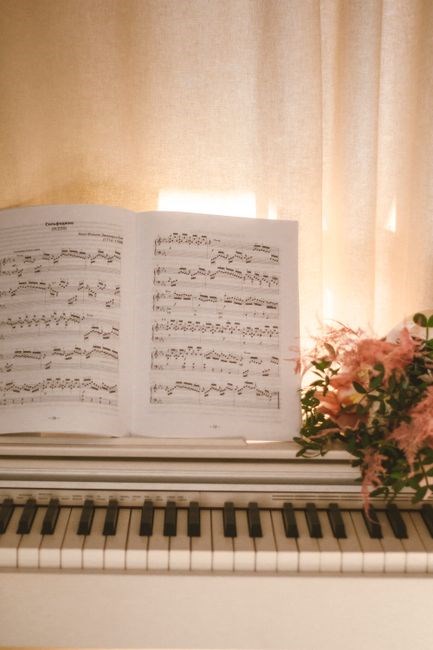
Find free PDFs on IMSLP‚ Mutopia‚ and public‑domain archives. For premium options‚ use Sheet Music Plus or Musicnotes. Ensure files are legal and safe. Safe downloads only!OK!!!

Free Public‑Domain Websites
IMSLP hosts a vast collection of Ave Maria scores‚ including Schubert’s original vocal version and numerous piano transcriptions. The site offers free‚ downloadable PDFs that are in the public domain‚ making them safe for personal use and performance. Mutopia provides high‑quality‚ hand‑typed arrangements that are also free‚ with clear notation and editorial notes. The Choral Public Domain Library (CPDL) lists several piano‑orchestral adaptations that can be printed directly. For those seeking sheet music with modern editorial commentary‚ the Public Domain Sheet Music Project supplies PDFs that combine historical accuracy with contemporary formatting. All these resources are accessible without registration‚ ensuring that pianists worldwide can obtain the material legally and instantly. These free PDFs suit teachers and performers looking for reliable‚ high‑quality material now!!
Paid Sheet‑Music Platforms
Commercial sites such as Sheet Music Plus‚ Musicnotes‚ and Hal Leonard offer high‑resolution PDFs of Ave Maria piano arrangements; These platforms provide a range of editorial options‚ from simple vocal‑to‑piano transcriptions to elaborate‚ fully orchestrated versions. Users can preview each score‚ purchase a license‚ and download the file instantly. Prices vary by edition‚ with single‑track PDFs ranging from $5 to $15‚ while multi‑track or deluxe editions can cost upwards of $30. Many sites also bundle related works‚ allowing pianists to build a comprehensive repertoire. The PDFs are typically downloadable in PDF or MusicXML format‚ ensuring compatibility with most notation software. For educators‚ bulk discounts are available‚plans ideal for studyand classroom use. Whether you need a quick arrangement or a professionally edited score‚ paid platforms deliver quality Enjoy!!!
Legal and Copyright Considerations
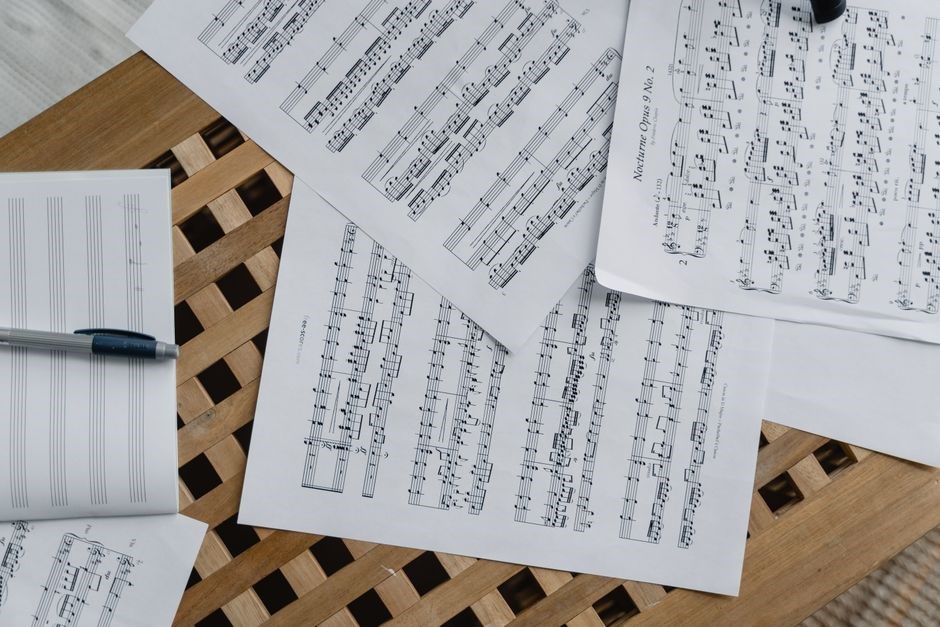
Ave Maria’s original Schubert composition is public domain‚ but modern transcriptions may be copyrighted. Verify publisher rights before downloading or performing. Ensure compliance now
Public Domain Status of Classic Versions
Schubert’s 1825 Ave Maria‚ originally a vocal setting of the Latin prayer‚ entered the public domain long ago‚ as the composer died in 1828. The piano arrangements that trace back to the 19th‑century editions—such as the 1870s piano transcription by Franz Schubert himself—are also in the public domain. Modern publishers often re‑arrange the piece for contemporary pianists‚ adding embellishments or harmonizations; those new editions may carry copyright protection. However‚ the core melody and harmony remain free for use‚ allowing musicians to perform‚ record‚ or publish the classic version without licensing fees. Always verify the edition’s publication date‚ as some 20th‑century reprints may still be under copyright if they include significant editorial changes. For the legal use‚ download PDFs from reputable public‑domain the repositories or frompublisher’s website.
Copyright Issues for Modern Transcriptions
Modern transcriptions of Ave Maria often incorporate new harmonizations‚ rhythmic alterations‚ or extended passages that go beyond the original 19th‑century score. Because these additions are considered derivative works‚ they are protected by copyright law even if the underlying melody is public domain. Publishers who release such transcriptions must secure the rights from the original arranger or from the estate that holds the derivative copyright. Musicians wishing to perform or record these versions must obtain a license or permission‚ typically through the publisher or a performing‑rights organization. Failure to do so can result in infringement claims‚ especially when the work is distributed commercially or streamed online. Therefore‚ it is essential to verify the copyright status of each edition before use and to follow the licensing terms set by the rights holder Checklicenseterms. Askforpermission
Tips for Practicing and Performing
Practice slowly‚ emphasize phrasing‚ use gentle pedal‚ record for self‑review‚ rehearse with metronome. Add dynamics‚ separate hands‚ and play with a choir or vocal sample. now!!??.
Interpretation and Pedal Usage
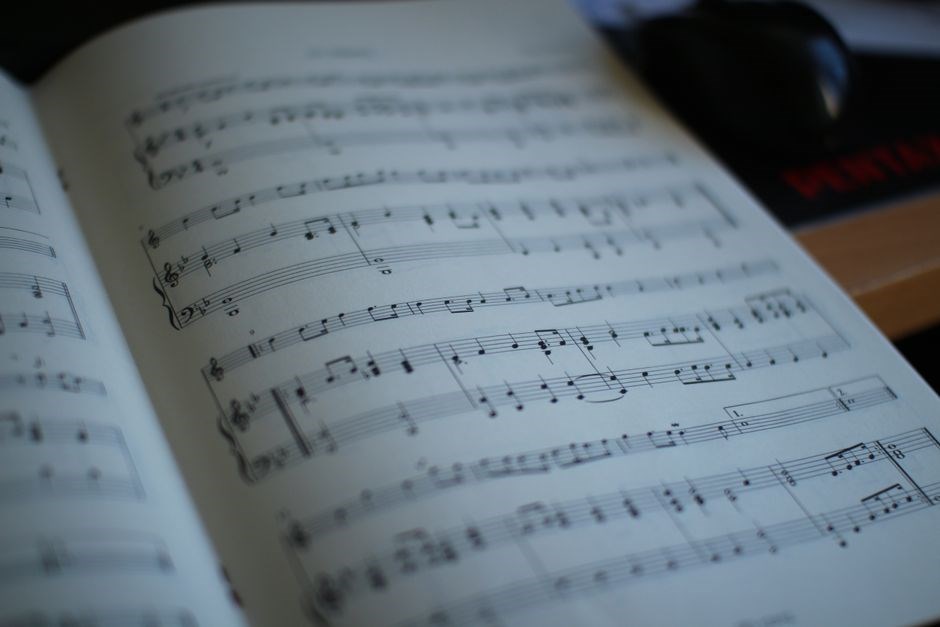
When approaching Ave Maria‚ treat the pedal as a soft veil that lifts the vocal line; Begin with a half‑pedal for the opening phrases‚ letting the sustain ring lightly while keeping the left hand clear. In the middle sections‚ shift to a full pedal only on sustained chords‚ then lift before the next melodic phrase to avoid blurring the counter‑point. Use the damper pedal sparingly on the final cadences‚ allowing the harmony to resolve naturally. Experiment with half‑stops on the right hand to create a breath‑like pause‚ and vary the pedal timing to reflect the text’s emotional arc. Rehearse the piece in its entirety‚ noting transitions that need subtle pedal changes‚ let your ears guide the final expressive touch. Practice smooth pedal transitions and subtle dynamics to honor the lyrical line. Recording sessions spot pedal placement issues and refine nuancely. Use metronome to keep tempo smooth!?
Recording and Sharing Performances
To capture a polished Ave Maria‚ set up a quiet space with a good microphone near a piano’s soundboard. Record in a single take‚ then use audio software to trim‚ normalize levels‚ and apply gentle compression. Export as a high‑bitrate MP3 or WAV. For video‚ sync a clean video clip of your hands‚ ensuring proper lighting and a neutral backdrop. Upload to platforms like YouTube‚ Vimeo‚ or SoundCloud‚ tagging with “Ave Maria” and “piano arrangement.” Share links on social media‚ forums‚ and teaching sites‚ and invite feedback from peers. Respect copyright by using public‑domain versions or obtaining permission for modern transcriptions. Keep a backup of the original files for future edits or re‑uploads. Engage listeners with a brief intro about the arrangement’s origin and your interpretive choices. Encourage comments to refine your next recording Use a metronome to keep