
Alfa Romeo Manual Transmission: A Comprehensive Guide
Alfa Romeo manual transmissions, known for their engaging driving experience, sometimes present unique challenges. This guide details common issues,
troubleshooting, and maintenance for these gearboxes.
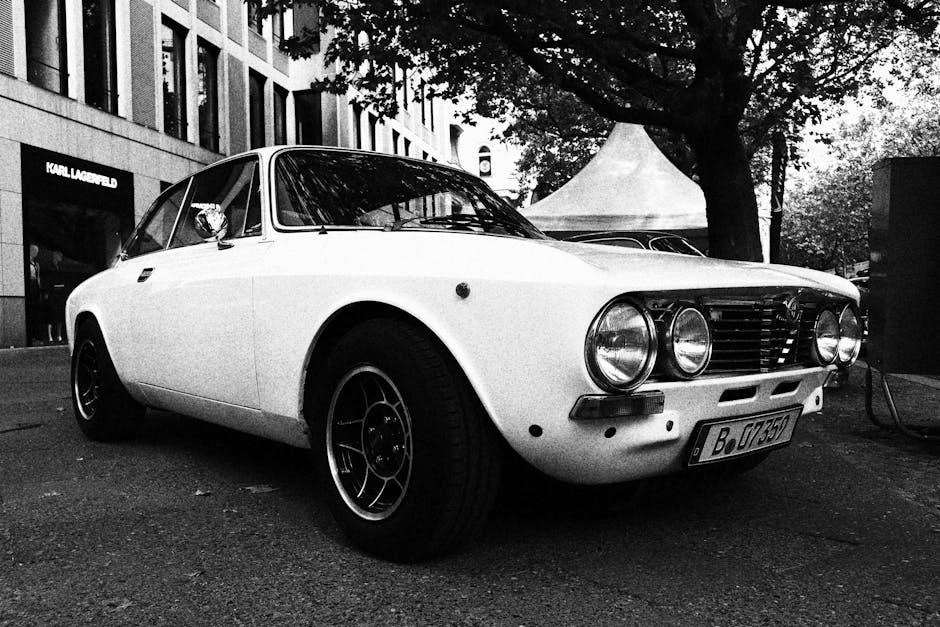
Alfa Romeo has a storied history of building vehicles designed for passionate drivers, and their manual transmissions are central to that ethos. These gearboxes aren’t simply functional components; they are integral to the driving experience, offering a direct connection between the engine and the wheels. However, Alfa Romeo manual transmissions, particularly those found in models like the Giulia and 159, can be prone to specific issues that require understanding and proactive maintenance.
Owners often encounter problems ranging from clunky shifting and gear slippage to more serious concerns like transmission failure warnings. Understanding the nuances of these systems, including the Selespeed variants and their associated relay/connector vulnerabilities, is crucial for any Alfa Romeo enthusiast or mechanic. This introduction sets the stage for a deeper dive into the world of Alfa Romeo manual transmissions.
Historical Overview of Alfa Romeo Gearboxes
Alfa Romeo’s gearbox development mirrors its commitment to performance and driving pleasure. Early models featured robust, albeit relatively simple, manual transmissions designed for durability. As technology advanced, so did their gearboxes, evolving to meet the demands of increasingly powerful engines and sophisticated chassis. The introduction of synchromesh technology significantly improved shift quality, enhancing the driving experience.
Later iterations, like the C590 and M32, represented attempts to balance performance with cost-effectiveness. However, these transmissions became known for specific weaknesses, prompting extensive discussion within the Alfa Romeo community. The Selespeed system, a semi-automatic transmission with a manual override, further complicated the landscape, introducing unique challenges related to hydraulics and electronic control. Understanding this historical progression is key to diagnosing and addressing current issues.
Common Alfa Romeo Manual Transmission Models
Alfa Romeo has utilized several manual transmission models throughout its history, each with distinct characteristics. The C590, found in earlier 156 and 147 models, is known for its relative robustness, though age can induce wear. The M32, prevalent in the GT, 147, and 156, gained notoriety for its interlock issues and potential for failure, requiring diligent maintenance.
Later models saw the introduction of six-speed gearboxes, offering improved ratios and refinement. The Selespeed, while technically a semi-automatic, incorporates a manual override and shares components with traditional manual transmissions. Identifying the specific transmission in your Alfa Romeo is crucial for accurate diagnosis and repair, as parts and procedures vary significantly between models. Knowing the gearbox’s history helps anticipate potential problems.
C590 Transmission
The Alfa Romeo C590 transmission, a five-speed manual, is found in models like the 156 and 147. Generally considered more durable than the M32, it’s still susceptible to age-related issues. Common problems include worn synchronizers, leading to grinding during shifts, and bearing failure causing noise. Inspecting the transmission fluid for metal particles is vital for early detection of internal wear.
While robust, neglecting maintenance can lead to significant problems. Regular fluid changes are essential. Owners report occasional issues with the shift linkage, resulting in imprecise gear selection. The C590’s relative simplicity makes it easier to repair compared to more complex gearboxes, but sourcing parts can become challenging as the transmission ages.
M32 Transmission
The Alfa Romeo M32 transmission, a six-speed manual, is notorious for its fragility, particularly in the 147 and GT models. It’s infamous for interlock issues – oblong-shaped parts preventing multiple gear changes simultaneously – which can cause gear selection problems. Frequent clutch wear is also a common complaint, often linked to the transmission’s sensitive nature.

Owners frequently report clunky shifting, accompanied by a transmission failure warning light on the dashboard. Poor electrical connections and relay failures can cause flashing gears. The M32 requires careful driving and diligent maintenance to mitigate its inherent weaknesses. Replacement or rebuilding is often considered when significant issues arise, due to the high cost of repeated repairs.
Identifying Potential Problems
Recognizing early warning signs is crucial for Alfa Romeo manual transmission health. Gear slippage, where gears disengage unexpectedly, indicates worn synchronizers or damaged teeth, resulting in power loss. Clunky shifting, often progressing to a transmission failure warning light, suggests interlock or internal component issues.
Pay attention to unusual noises during gear changes. Difficulty selecting gears, or being limited to one gear at a time, points to interlock problems. Ignoring these symptoms can lead to more severe, costly repairs. Proactive identification allows for timely intervention, potentially preventing complete transmission failure and ensuring continued driving enjoyment.
Gear Slippage and Causes
Gear slippage in Alfa Romeo manual transmissions manifests as gears unexpectedly disengaging during acceleration or deceleration, leading to a noticeable loss of power. This frustrating symptom often stems from worn synchronizers, the components responsible for smoothly matching gear speeds. Damaged gear teeth, resulting from wear or improper shifting, also contribute significantly.
Low or degraded transmission fluid can exacerbate slippage, reducing lubrication and increasing friction. Internal damage within the transmission, such as bent shift forks or worn bearings, can also cause this issue. Addressing slippage promptly is vital, as continued operation can inflict further damage and potentially lead to complete transmission failure, requiring extensive repairs.
Clunky Shifting and Interlock Issues
Alfa Romeo manual transmissions can sometimes exhibit clunky shifting, characterized by noticeable resistance or harsh engagement between gears. This often arises from issues with the transmission’s interlock mechanisms – three oblong-shaped components at the rear of the gearbox preventing shifts into more than one gear simultaneously. Worn or misadjusted interlocks contribute to this problem.

Internal wear within the transmission, including worn shift forks or bushings, can also cause clunkiness. Improper clutch adjustment or a failing clutch master/slave cylinder can mimic shifting issues. Addressing these concerns promptly prevents further damage. A transmission failure warning light, alongside the clunking, indicates a more serious underlying problem requiring immediate attention from a specialist.
Warning Signs of Transmission Failure
Recognizing potential Alfa Romeo transmission failure is crucial for preventing extensive damage. A prominent warning sign is the illumination of the transmission failure warning light on the dashboard – typically a large, red indicator. This often accompanies a check engine light, signaling a broader system issue.
Beyond warning lights, a burning smell emanating from the vehicle, particularly after driving, suggests overheating and potential internal damage. Fluid leaks beneath the car are another critical indicator, signifying a loss of lubrication and potential component failure. Ignoring these signs can lead to complete transmission breakdown, necessitating costly repairs or replacement. Prompt diagnosis and intervention are essential.
Transmission Failure Warning Lights
Alfa Romeo vehicles utilize various warning lights to indicate transmission problems. A flashing or solid red transmission failure warning, prominently displayed in the center of the dashboard, is a critical alert. This light often appears alongside the check engine light, suggesting a related issue. The specific meaning can vary, ranging from minor sensor faults to severe internal damage.
Sometimes, the warning light is accompanied by gear restrictions – for example, the transmission may limit shifting beyond 2nd or 3rd gear. Ignoring these warnings can exacerbate the problem, leading to more extensive and expensive repairs. Diagnostic scanning with a suitable OBD-II tool is essential to retrieve the specific error codes and pinpoint the root cause of the issue.
Burning Smell and Fluid Leaks
A distinct burning smell emanating from under your Alfa Romeo is a significant warning sign of potential transmission trouble. This odor often indicates overheated clutch components or excessively worn internal gears creating friction. Simultaneously, inspect for transmission fluid leaks beneath the vehicle. Reddish-brown fluid suggests an automatic transmission issue, while a lighter, oilier fluid could indicate a manual transmission leak.
Leaks can stem from seals, gaskets, or damaged transmission housing. Low fluid levels can cause slipping gears and eventual transmission failure. Promptly address any leaks and replenish the fluid with the correct specification. Ignoring these symptoms can lead to catastrophic damage and necessitate a complete transmission rebuild or replacement.
Specific Issues with the M32 Transmission
The Alfa Romeo M32 transmission, found in models like the 147 and GT, is notorious for specific weaknesses. Owners frequently report issues with the 1st and 2nd gear synchros, leading to grinding during shifts. This is often exacerbated by aggressive driving or delayed clutch engagement. Another common problem involves the interlock mechanisms preventing simultaneous gear selection.
These oblong-shaped interlocks, located at the rear of the gearbox, can wear or become misaligned, causing clunky shifting or the inability to select certain gears. Furthermore, the M32 is susceptible to relay and connector problems, manifesting as flashing gears on the dashboard display. Addressing these issues promptly is crucial to prevent further damage.
The Selespeed System and Manual Mode
Alfa Romeo’s Selespeed system, a semi-automatic transmission, offers a unique driving experience blending convenience with control. While technically not a traditional manual, it allows driver-initiated gear changes via steering wheel paddles or a dedicated selector. However, the system relies heavily on hydraulics and sensors, making it prone to specific failures.
The manual mode within Selespeed provides a more engaging feel, but issues like harsh 1-2 shifts are common, often requiring clutch position relearns or EV0 clutch solenoid replacement. Poor contacts on relays near the battery and the Selespeed connector can also cause erratic behavior, including flashing gear indicators. Regular maintenance of the hydraulic system is vital for optimal performance.
Relay and Connector Problems (Flashing Gears)
A frequently reported issue with Alfa Romeo Selespeed transmissions involves flashing gear indicators, particularly 1st and 2nd. This often doesn’t signify internal transmission damage, but rather, poor electrical connections. The primary culprit is typically a faulty relay located near the battery, or corrosion within the large Selespeed connector.
These connections can become loose or oxidized over time, disrupting communication between the transmission control unit and the gearbox. A simple inspection and cleaning of these contacts can often resolve the issue. Replacing the relay is also a cost-effective troubleshooting step. Ignoring this problem can lead to further complications and potentially impact the Selespeed system’s functionality.
Harsh 1-2 Shift Issues
Many Alfa Romeo owners, particularly those with models equipped with the Selespeed transmission, experience harsh or abrupt shifts between 1st and 2nd gear. This is a well-documented problem, often described as a noticeable “jerk” during upshifts. Several factors can contribute to this issue, including improper clutch adjustments, a failing EV0 clutch solenoid, or the need for a clutch position relearn procedure.
Checking all relevant adjustments is crucial. Performing a clutch position relearn, using diagnostic tools, can help the transmission control unit adapt to the current clutch parameters. Replacing the EV0 solenoid is also a common solution. The severity can vary, but addressing this issue promptly prevents further wear and tear on the transmission components.
Clutch System Considerations
The Alfa Romeo clutch system is integral to smooth manual transmission operation. Issues frequently arise with the clutch position sensor, which provides vital data to the transmission control unit. A faulty sensor can lead to inaccurate readings, causing shifting problems and potentially triggering transmission failure warnings. Regular inspection and replacement of a failing sensor are essential preventative measures.
Furthermore, the EV0 clutch solenoid plays a critical role in engaging and disengaging the clutch. Replacement of this solenoid is often necessary to resolve harsh shifting or clutch slippage. Proper functioning of both the sensor and solenoid ensures optimal clutch control, contributing to a more refined and reliable driving experience.
Clutch Position Sensor Issues
Alfa Romeo clutch position sensor failures are a common source of transmission-related problems. This sensor relays the clutch pedal position to the transmission control unit (TCU), influencing shift quality and enabling features like launch control. When failing, it often causes erratic shifting, difficulty selecting gears, or a complete inability to shift.
Symptoms include the transmission throwing errors, a flashing gear indicator, or a general feeling of inconsistent clutch engagement. Diagnosing requires a scan tool to monitor sensor readings. Replacement is usually straightforward, but a clutch position relearn procedure is crucial post-installation to calibrate the TCU to the new sensor’s values, ensuring proper operation and preventing recurring issues.
EV0 Clutch Solenoid Replacement
The EV0 clutch solenoid, found in Alfa Romeo transmissions utilizing the Selespeed system, controls hydraulic pressure to engage and disengage the clutch. A failing solenoid often manifests as harsh 1-2 shifts, difficulty engaging first gear, or a complete clutch disengagement. Replacement is a relatively common repair for these systems.
The process involves draining the transmission fluid, accessing the solenoid (typically located within the transmission housing), and carefully removing/installing the new unit. Ensuring the correct torque specifications are met during installation is vital. Following solenoid replacement, a thorough system bleed and a clutch position relearn procedure are absolutely necessary to purge air from the hydraulic lines and recalibrate the system for smooth operation.
Troubleshooting Steps
Initial Alfa Romeo manual transmission troubleshooting should begin with a simple check of the transmission fluid level. Low fluid can cause gear slippage and difficulty shifting. Next, inspect for any visible fluid leaks around the transmission housing, indicating potential seal failures. A crucial step involves performing a clutch position relearn procedure, especially after any clutch component replacement or battery disconnection.
Diagnostic tools can read transmission-related fault codes, providing valuable clues. Observing for flashing gear indicators on the dashboard is also important, often signaling relay or connector issues. Carefully assess shifting feel – clunky shifts or interlock problems require further investigation of the shift linkage and internal components.

Checking Transmission Fluid Levels
Proper Alfa Romeo manual transmission fluid level is critical for smooth operation. Locate the fill and level plug, typically on the side of the transmission case. With the vehicle on a level surface and the engine warm, carefully remove the plug. Fluid should be level with the plug’s opening; if low, add the specified fluid type – often a GL-5 gear oil – slowly until it reaches the correct level.
Avoid overfilling, as this can cause pressure buildup and leaks. Inspect the fluid’s condition; metallic particles or a burnt smell indicate internal wear. Regularly checking the fluid, ideally every 12,000 miles or annually, helps prevent costly repairs and ensures optimal gearbox performance.
Performing a Clutch Position Relearn Procedure
An Alfa Romeo clutch position relearn is often necessary after clutch component replacement or experiencing shifting issues. This procedure allows the transmission control unit (TCU) to recognize the new clutch travel range. Using a diagnostic tool, connect to the vehicle’s OBDII port and navigate to the relearn function.
Follow the on-screen prompts, which typically involve slowly depressing and releasing the clutch pedal several times. Ensure the battery is fully charged during the process to prevent interruptions. Successful completion will reset the clutch position sensor values, resolving harsh shifting or clutch-related error codes. This procedure is vital for optimal performance.
Repair and Maintenance
Alfa Romeo manual transmission repair often involves addressing worn synchronizers, causing gear clash during shifts. Replacement requires gearbox disassembly, careful inspection of gear teeth for damage, and precise reassembly. Damaged gear teeth necessitate gear replacement or, in severe cases, a complete gearbox overhaul.
Regular maintenance includes checking and replacing transmission fluid according to the manufacturer’s schedule. Inspecting the clutch system for wear and proper operation is also crucial. Addressing minor issues promptly prevents escalation into major, costly repairs. Professional diagnosis and repair are recommended for complex transmission problems.
Synchronizer Replacement
Synchronizer replacement is a common repair for Alfa Romeo manual transmissions experiencing difficulty shifting into specific gears. Worn synchronizers cause grinding or clunky engagement, indicating a loss of their ability to match gear speeds effectively. The process involves complete gearbox disassembly to access the synchronizer assemblies.
Careful inspection of the synchronizer rings, cones, and hub sleeves is essential to identify the worn components. New synchronizers should be installed with the correct lubricant, and the gearbox reassembled with precision. Proper installation and adjustment are critical for smooth, quiet shifting. This repair often requires specialized tools and expertise.
Gear Tooth Damage and Repair
Gear tooth damage within an Alfa Romeo manual transmission typically arises from severe wear, improper lubrication, or forceful shifting. Visible signs include chipped, broken, or excessively worn teeth, leading to noise and potential transmission failure. Repair options depend on the extent of the damage.

Minor damage might be addressed through individual gear replacement, requiring gearbox disassembly. However, significant damage often necessitates replacing multiple gears or even the entire gearbox assembly. Careful inspection of the differential and other internal components is crucial during repair. Ensuring proper gear mesh and lubrication upon reassembly is vital for longevity and smooth operation.
Preventative Maintenance
Preventative maintenance is crucial for extending the life of your Alfa Romeo manual transmission. Regularly checking and maintaining proper transmission fluid levels is paramount, ensuring optimal lubrication and cooling. Fluid changes should follow the manufacturer’s recommended intervals, utilizing the correct fluid specification.
Inspect the clutch system for wear and proper operation, including the clutch disc, pressure plate, and release bearing. Smooth shifting habits and avoiding aggressive driving can significantly reduce stress on the gearbox. Periodically check for any fluid leaks around the transmission housing and associated components. Addressing minor issues promptly prevents escalation into major, costly repairs.
Finding Parts and Resources
Sourcing parts for Alfa Romeo manual transmissions can sometimes be challenging due to their specialized nature. Online retailers specializing in Alfa Romeo parts, such as Centerline International and Alfaworkshop, offer a wide selection of components. Local Alfa Romeo specialists and breakers yards can also be valuable resources for used or refurbished parts.
Online forums dedicated to Alfa Romeo ownership, like Alfaowner, provide a wealth of information, troubleshooting advice, and parts sourcing leads from fellow enthusiasts. When purchasing parts, prioritize quality and ensure compatibility with your specific transmission model. Consider OEM parts or reputable aftermarket brands for reliability and longevity.
Alfa Romeo Transmission Specialists
Locating a skilled mechanic specializing in Alfa Romeo transmissions is crucial for complex repairs or diagnostics. General mechanics may lack the specific knowledge required for these unique gearboxes. Seek out shops with proven experience in servicing Alfa Romeo vehicles, particularly those familiar with the C590 and M32 transmissions.
Online forums and Alfa Romeo owner communities often maintain lists of recommended specialists. Consider shops that offer diagnostic services, rebuilds, and clutch replacements. Verify their certifications and read customer reviews before entrusting them with your transmission. A specialist can accurately diagnose issues, perform necessary repairs, and ensure your transmission operates smoothly.
Alfa Romeo manual transmissions offer a rewarding, yet sometimes demanding, ownership experience. Understanding potential issues – from gear slippage and clunky shifts to the intricacies of the M32 and Selespeed systems – is vital for proactive maintenance. Regular fluid checks, clutch system attention, and addressing warning signs promptly can prevent costly failures.
Don’t hesitate to seek specialized expertise when needed; a qualified Alfa Romeo transmission specialist can provide accurate diagnoses and effective repairs. By embracing preventative measures and staying informed, owners can continue enjoying the spirited driving experience these transmissions deliver for years to come.