Night at the Museum: An Instruction Manual
Welcome, new night watchman! This manual details procedures for surviving – and managing – a museum where history quite literally comes alive after dark.
Expect Mayans, Romans, cowboys, and even a T-Rex to roam free, requiring swift action and a firm grasp of historical containment protocols.
Remember, President Teddy Roosevelt is your key advisor; heed his wisdom to harness the ensuing bedlam and thwart any nefarious schemes.
Understanding the Phenomenon
The activation of historical exhibits within the museum environment remains a largely unexplained phenomenon, rooted in an unknown energy source. Initial observations suggest a correlation between sunset and the reanimation of artifacts, dioramas, and figures representing past civilizations. This isn’t simply animation; exhibits demonstrate genuine personality, historical awareness, and often, deeply ingrained behavioral patterns consistent with their origins.
The extent of this “awakening” varies. Some figures, like Teddy Roosevelt, exhibit full sentience and complex reasoning. Others operate on more instinctual levels, driven by primal needs or historical grievances. The 1993 children’s book by Milan Trenc first posited this concept, and subsequent events confirm its reality. It’s crucial to understand that these aren’t illusions or holograms; they are tangible, potentially dangerous, and require respectful – yet firm – management.
The Smithsonian Connection indicates similar occurrences in other institutions, suggesting a widespread, global event.
The Core Concept: Exhibits Come to Life
The fundamental principle governing a “Night at the Museum” is the temporary animation of static historical displays. Upon nightfall, figures within dioramas, statues, and artifacts gain mobility and consciousness, effectively stepping out of history and into the present. This isn’t a uniform process; the degree of animation varies significantly between exhibits.
Expect Roman gladiators to engage in combat, cowboys to seek out saloons (or create them), and prehistoric creatures to… well, behave as prehistoric creatures would. Attila the Hun, for example, demonstrates a penchant for pillaging, while a Neanderthal’s primary focus is often acquiring fire. These behaviors aren’t random; they are rooted in historical context and individual personalities.
Understanding this core concept – that history becomes present – is paramount to successful night watch duties. It’s not about controlling props; it’s about managing living, breathing representations of the past.
Historical Basis: Milan Trenc’s Book
The phenomenon of a living museum isn’t born from spontaneous combustion; it originates with Milan Trenc’s 1993 children’s book, which served as the foundational inspiration for the film franchise. While the cinematic adaptations expand upon the premise, the core idea – exhibits awakening at night – is directly attributable to Trenc’s original work.
However, be aware that the book offers limited operational guidance for a real-life “Night at the Museum” scenario. The films, particularly the first installment, provide a more detailed (though still dramatized) depiction of the challenges and dynamics involved. Understanding this distinction is crucial.
Trenc’s work establishes the ‘why’ – the magic that brings history to life – but this manual focuses on the ‘how’ – the practical procedures for managing the resulting chaos. Consider the book a source of inspiration, and this manual your operational blueprint.
Preparing for Your Night Shift
Prior to commencing your duties, a thorough briefing with the outgoing watchman is mandatory. Obtain a detailed report of any unusual activity, exhibit temperaments, and ongoing negotiations. Note any recent incidents involving Attila the Hun’s pillaging or Neanderthal fire hazards – these are recurring issues.
Familiarize yourself with the museum’s emergency protocols, including exhibit containment procedures and communication channels. Ensure all security systems are operational and that you understand the layout (see section ‘Understanding Museum Layouts’).
Mental preparation is equally vital. Accept that logic will frequently be suspended. Embrace the unpredictable. Remember, you are not simply a security guard; you are a mediator between eras, a guardian of history, and potentially, a negotiator with a T-Rex.
Essential Gear: What to Bring
Your survival kit is paramount. First, a high-powered flashlight – essential for navigating darkened halls and potentially distracting a rampaging T-Rex. Second, a comprehensive first-aid kit, equipped to handle everything from minor scrapes (courtesy of miniature cowboys) to more… prehistoric injuries.
A detailed museum map is crucial, alongside a two-way radio for communication with security headquarters and, potentially, Teddy Roosevelt. Pack energy bars and a water bottle; nights can be long and chaotic. Consider earplugs – the din of battling gladiators and warring factions can be substantial.
Finally, and perhaps most importantly, bring a notepad and pen. Documenting exhibit behavior is vital for future watchmen and understanding the evolving dynamics within the museum’s walls.
Understanding Museum Layouts
Familiarity breeds survival. The museum isn’t simply a collection of exhibits; it’s a complex ecosystem. Knowing the layout is critical for rapid response and containment. Pay close attention to exhibit proximity – the Wild West is dangerously close to the Roman Empire, creating potential conflict zones.
Identify all emergency exits and security checkpoints. Note the location of the Smithsonian connection point – a potential lifeline in extreme situations. Understand the dioramas’ structural weaknesses; a determined Attila the Hun can exploit these.
Memorize the pathways to the Mayan exhibit and the prehistoric section, as these areas present unique challenges. The map isn’t just a guide; it’s your tactical overview. Regularly update your mental map as exhibits subtly shift during the night.
Dealing with Ancient Civilizations
Respect the past, manage the present. Ancient civilizations, once awakened, retain their historical behaviors and ambitions. Mayans are prone to elaborate rituals, potentially disrupting power systems. Romans, particularly gladiators, seek combat – designate a safe arena for controlled engagements.
Avoid direct confrontation with Mayan priests; their influence can be… unsettling. Gladiator containment requires sturdy barriers and distraction techniques (shiny objects work surprisingly well). Never underestimate their strategic prowess.
Remember, these aren’t simply costumes; they are history. Treat them with a degree of respect, but maintain firm control. Understanding their cultural norms is key to preventing large-scale chaos. Prioritize de-escalation over direct intervention whenever possible.
Mayan Exhibit Protocol
Priority One: Prevent Astronomical Alignments. The Mayan exhibit is uniquely sensitive to celestial events. Any perceived alignment of stars can trigger elaborate, and potentially disruptive, ritualistic behavior. Secure any astronomical charts or devices within the exhibit.
Power Fluctuations: Mayan rituals often involve energy manipulation. Be prepared for unexplained power surges and flickering lights. Have backup generators primed and understand the museum’s electrical schematics. Report any unusual energy readings immediately.
Sacrificial Concerns: While full-scale sacrifices are unlikely, the Mayans may attempt symbolic offerings. Redirect their focus towards inanimate objects. Do not allow them near any living beings. Maintain constant vigilance and a respectful distance. Remember, appeasement is preferable to conflict;
Roman Gladiator Containment
Arena Control is Paramount: The Roman gladiators instinctively seek an arena. Redirect them towards designated, padded areas – the museum’s auditorium can serve as a temporary coliseum. Ensure all fragile objects are removed beforehand. Expect boisterous challenges and demands for worthy opponents.
Weaponry Considerations: While their weapons are replicas, they are remarkably durable. Avoid direct physical confrontation. Utilize distraction techniques – promises of glorious battles or appealing adversaries – to manage their aggression. Never underestimate their combat prowess.
Honor and Spectacle: Gladiators thrive on honor and spectacle. Acknowledge their skills and provide a suitably dramatic audience (even if it’s just you). Refusing to engage their sense of theatrics will only escalate tensions. Maintain a respectful, yet firm, authority.
Managing Wild West Figures
Dust and Disorder: Expect a significant increase in dust levels and general disorder. Wild West figures have a penchant for impromptu saloon brawls and recreating frontier life, often with enthusiastic, if destructive, abandon. Prioritize securing valuable artifacts in their vicinity.
The Allure of a Showdown: These figures are perpetually seeking a showdown. Redirect their competitive energy towards harmless target practice (using approved, safe projectiles, of course) or staged quick-draw contests. Avoid any perceived disrespect – they take honor seriously.
Cavalry Control: Miniature horses and cavalry figures are particularly prone to escaping their dioramas. Implement a low-level perimeter check every fifteen minutes to prevent a full-scale miniature stampede. Offer sugar cubes as a peace offering, if necessary.
Prehistoric Creature Control
Containment is Key: Prehistoric creatures, particularly the Tyrannosaurus Rex, pose the most significant containment challenge. Reinforce diorama barriers with museum-grade steel cabling and ensure emergency evacuation routes are clearly marked and unobstructed. Remember, a breach is a museum-wide crisis.
Neanderthal Fire Risk: Neanderthals exhibit a persistent fascination with fire. Strictly prohibit access to any flammable materials. Implement a “no fire” policy and be prepared to extinguish accidental blazes quickly – a Neanderthal-ignited fire can spread rapidly.
Dietary Needs & Roaming: Larger creatures require substantial space and may attempt to roam. Distraction techniques involving large, durable objects (think oversized rubber bones) can temporarily redirect their attention. Monitor their movements constantly.
Neanderthal Fire Safety
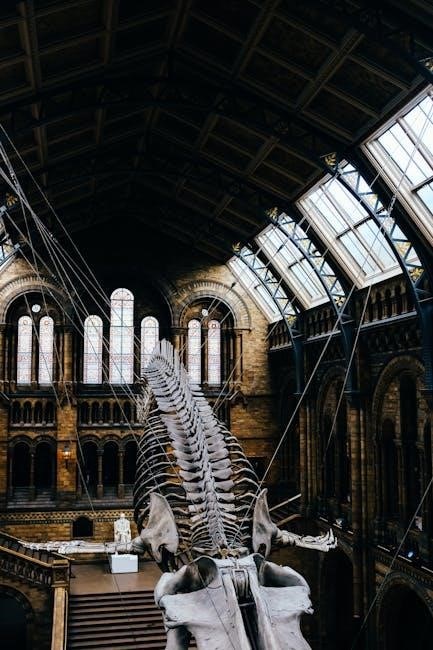
Understanding the Obsession: Neanderthals possess an innate, almost primal, fascination with fire. This isn’t mere curiosity; it’s a deeply ingrained behavioral pattern. Expect repeated attempts to create and control flames, regardless of preventative measures. Constant vigilance is paramount.
Prohibited Materials: Absolutely no flammable materials – wood, paper, oil-based paints, even certain fabrics – should be accessible within or near the Neanderthal exhibit. Implement a strict material control protocol and conduct regular inspections.
Extinguishment Protocols: Equip yourself with multiple, fully-charged fire extinguishers specifically designed for various fire types. Familiarize yourself with their operation. Water is often ineffective against certain prehistoric-era fuel sources. Immediate response is crucial to prevent exhibit-wide damage.
Containment & Isolation: If a fire does ignite, prioritize containment. Isolate the Neanderthal and the fire source, preventing spread to neighboring exhibits.
T-Rex Encounter Procedures
Immediate Assessment: Upon confirming a T-Rex breach, prioritize assessing the threat level. Is it actively pursuing personnel, or simply roaming? Maintain a safe distance – at least 50 meters – at all times. Do not attempt direct engagement.
Distraction Techniques: The T-Rex, while formidable, exhibits a surprisingly limited attention span. Utilize loud noises – alarms, sirens – or large, moving objects to divert its focus away from populated areas. Remember, it’s history’s fiercest predator.
Evacuation Protocols: Initiate a full museum evacuation, prioritizing visitor and staff safety. Utilize pre-designated escape routes and ensure all personnel are accounted for. Clear communication is vital during this process.
Reinforcement Request: Immediately contact security and request reinforcement. Do not attempt to subdue the T-Rex independently. Await the arrival of trained personnel equipped to handle large-scale prehistoric containment.
Notable Historical Figures & Their Quirks
Teddy Roosevelt: Expect enthusiastic, often unsolicited, advice. He’s a natural leader, but prone to dramatic pronouncements and impromptu historical reenactments. Maintain respectful engagement; he’s your primary ally.
Attila the Hun: A dedicated pillager. Redirect his attention towards less valuable exhibits – perhaps a collection of outdated dioramas – to prevent widespread destruction. Offer him shiny objects as a distraction.
Octavius & Jedediah: These miniature cowboys are prone to mischief and elaborate, often nonsensical, schemes. Keep them supplied with miniature props and ensure they don’t access the electrical systems.
Sacagawea: Possesses an uncanny ability to navigate the museum layout. Consult her for efficient routing during emergencies, but be prepared for cryptic directions and historical anecdotes.
Remember, understanding these quirks is crucial for maintaining order and preventing historical chaos during your night shift.
Teddy Roosevelt: Your Primary Advisor
President Roosevelt, though a wax figure, is the most reliable source of guidance during a Night at the Museum. He possesses a unique understanding of the exhibits’ behaviors and motivations, stemming from his own historical experiences.
Expect robust, energetic advice delivered with characteristic enthusiasm. Roosevelt excels at strategic thinking and can assist in formulating plans to contain chaotic situations, particularly those involving Attila the Hun or the T-Rex.
However, be prepared for lengthy historical digressions and a tendency towards dramatic pronouncements. He firmly believes in “speaking softly and carrying a big stick,” so diplomatic negotiation is key.
Roosevelt’s primary strength lies in his ability to “harness the bedlam,” transforming potential disasters into manageable challenges. He’s a natural leader, and his counsel is invaluable.
Treat him with respect, and he will be your greatest asset throughout the night.
Attila the Hun: Minimizing Pillage
Attila the Hun presents a significant containment challenge. His historical inclination towards pillaging extends to museum exhibits, particularly those containing valuable artifacts or aesthetically pleasing displays. Expect attempts to “re-distribute” items to his own, often less impressive, diorama.
Direct confrontation is discouraged. Attila responds poorly to authority and is easily provoked. Instead, employ distraction techniques – offering him less valuable, but visually stimulating, objects can redirect his attention.
Reinforce the security of vulnerable exhibits. Secure display cases and strategically placed barriers can deter his advances. Consider creating a “decoy” exhibit filled with shiny, easily accessible items.
President Roosevelt suggests appealing to Attila’s sense of honor (though results may vary). Emphasize the historical importance of preserving the museum’s collection, framing it as a worthy conquest.
Constant vigilance is crucial. Attila is opportunistic and will exploit any weakness in security;
Dealing with Miniature Cowboys and Soldiers
The miniature cowboys and soldiers, while small in stature, possess an outsized capacity for mischief and surprisingly effective coordinated attacks. They frequently engage in elaborate, albeit tiny, skirmishes throughout the museum, often utilizing exhibit props as fortifications.
Avoid direct physical intervention; attempting to separate them usually escalates the conflict. Instead, focus on controlling the battlefield. Redirect their attention with new “territories” – small, designated areas with appealing scenery.
Sound is a key factor. The miniature figures are highly responsive to battle cries and marching band music, which can either incite or quell their warring tendencies.
Be mindful of scale. Everyday objects become significant obstacles for them. A misplaced book or a dropped pen can halt a full-scale assault.
Remember, they are fiercely loyal to their respective sides. Attempts at diplomacy are generally unsuccessful.
Security Protocols & Emergency Procedures
Maintaining museum security during a “Night at the Museum” event requires vigilance and adherence to strict protocols. The primary objective is containment – preventing exhibits from escaping the building and minimizing damage to displays.
Regular perimeter checks are crucial. Utilize the museum’s CCTV system, but remember it offers limited visibility during exhibit activity. Report any breaches of containment immediately to the designated emergency contact.
In the event of a large-scale exhibit uprising, activate the museum’s lockdown procedure. This involves sealing off sections and deploying non-lethal deterrents – primarily bright lights and loud noises.
Never attempt to engage in direct combat with exhibits. Your role is observation and redirection, not confrontation. Prioritize the safety of yourself and any other personnel.
Familiarize yourself with the museum’s evacuation plan and the location of all emergency exits. Remember, a swift and orderly evacuation is paramount in a crisis.
Identifying Nefarious Plots
Vigilance is key to identifying potential nefarious plots brewing amongst the awakened exhibits. While most activity is chaotic but harmless, some figures possess agendas extending beyond simple revelry.
Pay close attention to exhibits exhibiting unusual coordination or secretive meetings. Attila the Hun, in particular, has a documented history of pillaging and should be monitored closely for expansionist tendencies.
Look for attempts to tamper with the museum’s security systems or access restricted areas. Any exhibit displaying advanced technological understanding is a potential threat.
Be wary of exhibits attempting to recruit others to their cause. A unified front, even amongst historical adversaries, could indicate a larger scheme.
Trust your instincts. If something feels amiss, report it immediately. Early detection is crucial to preventing a full-blown crisis and safeguarding the museum’s treasures.
Communication with Living Exhibits
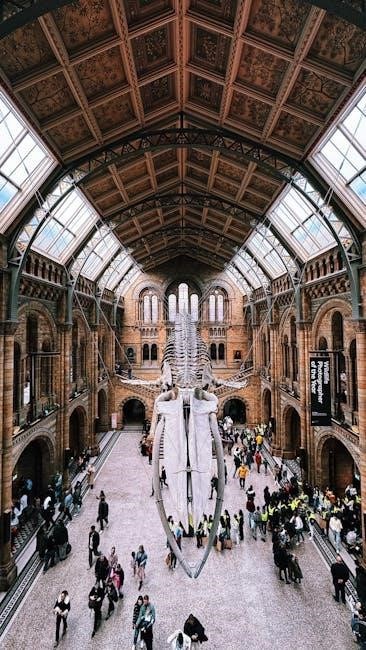
Establishing communication with the exhibits is vital, though often…challenging. Remember, you’re dealing with individuals ripped from their respective timelines, each possessing unique perspectives and communication styles.
Direct, clear language is preferred. Avoid complex jargon or modern slang, as it may cause confusion. Historical figures often respond best to respectful formality.
Teddy Roosevelt is an excellent communicator and can often act as an intermediary. Leverage his leadership to facilitate dialogue with more volatile exhibits.
Be prepared for strong opinions and historical biases. Avoid engaging in debates about historical accuracy; focus on maintaining order and preventing conflict.
Non-verbal cues are important. A calm demeanor and open body language can help de-escalate tense situations. Patience is paramount; building trust takes time.
The Smithsonian Connection: Rescue Missions
The Smithsonian Institution serves as a potential repository for misplaced exhibits, and occasionally, a staging ground for rescue missions. As documented in “Battle of the Smithsonian,” exhibits can be inadvertently shipped to the Smithsonian, requiring discreet retrieval.
Prioritize stealth and minimal disruption. The Smithsonian has its own security protocols, and overt intervention could trigger a larger incident. Coordinate with internal contacts whenever possible.
Familiarize yourself with the Smithsonian’s layout. It’s significantly larger and more complex than a typical museum, increasing the difficulty of locating and extracting exhibits.
Be prepared for unexpected encounters. The Smithsonian houses a diverse collection, and you may encounter exhibits not present in your primary museum.
Maintain communication with headquarters throughout the mission. Report any anomalies or complications immediately. Successful retrieval relies on careful planning and execution.
Advanced Techniques for Night Watchmen
Beyond basic containment, seasoned night watchmen develop advanced strategies. Exhibit negotiation is crucial; understanding historical motivations can prevent conflicts. For example, appealing to Attila the Hun’s sense of honor (however limited) can minimize pillaging.
Harnessing the bedlam involves redirecting exhibit energy. A controlled gladiator battle can dissipate tension, while a miniature Wild West shootout provides harmless entertainment.
Maintaining historical accuracy during chaos is paramount. Correcting minor anachronisms prevents timeline distortions; A misplaced artifact can have unforeseen consequences.
Mastering exhibit psychology is key. Knowing Teddy Roosevelt’s penchant for leadership allows you to leverage his advice effectively. Understanding Neanderthal needs prevents destructive outbursts.
Finally, anticipate the unpredictable. The museum’s magic defies logic. Adaptability and quick thinking are your greatest assets.
Harnessing the Bedlam
The museum’s nightly awakening isn’t simply about containment; it’s about channeling the energy. Think of the exhibits not as threats, but as forces needing direction. A controlled Roman gladiator battle, for instance, can release pent-up aggression harmlessly.
Redirecting destructive tendencies is vital. Encourage Attila the Hun to focus his “pillage” on rearranging less valuable displays. Engage the Neanderthals in constructive tasks, like building (safe) structures.
Utilize exhibit rivalries to your advantage. A playful competition between the miniature cowboys and soldiers can occupy them for hours. Remember, a distracted exhibit is a manageable exhibit.
The T-Rex, while formidable, responds to displays of dominance. A firm, authoritative presence can prevent widespread panic. Teddy Roosevelt’s guidance is invaluable here.
Ultimately, harnessing the bedlam transforms chaos into a manageable, even entertaining, nightly spectacle.
Exhibit Negotiation Strategies
Successful night watchmen are diplomats, not just security personnel. Direct confrontation rarely works; understanding each exhibit’s motivations is key. Mayans may desire astronomical charts, while Romans crave opportunities for honorable combat – provide controlled outlets.
Appealing to historical pride often yields results. Remind Attila the Hun of his legendary status, but subtly suggest less destructive displays of power. Miniature cowboys respond well to challenges of skill and bravery.
The T-Rex, surprisingly, appreciates a good audience. Acknowledging its majesty can prevent rampages. Neanderthals are motivated by simple comforts – a steady supply of (safe) materials for building.
Remember, exhibits are essentially personalities frozen in time. Treat them with respect, acknowledge their needs, and offer reasonable compromises. Teddy Roosevelt’s advice on character assessment is crucial.
Effective negotiation minimizes chaos and fosters a surprisingly cooperative museum environment.
Maintaining Historical Accuracy During Chaos
Preserving the integrity of history is paramount, even amidst nightly pandemonium. While exhibits come alive, their actions should remain within the bounds of their historical context. Prevent anachronisms at all costs!
Discourage Romans from attempting to operate modern technology, and ensure cowboys don’t acquire firearms beyond their era. Redirect Attila the Hun’s pillaging towards historically plausible targets – perhaps rearranging less significant displays.
Correct any misrepresentations of historical events. Gently remind Neanderthals of the limitations of fire-starting techniques, and steer the T-Rex away from exhibits it wouldn’t have encountered.
Document any deviations from historical accuracy immediately. A misplaced artifact or anachronistic interaction requires swift correction. Teddy Roosevelt can offer guidance on appropriate historical interpretations.
Maintaining accuracy isn’t just about preservation; it’s about responsible stewardship of history itself.
Troubleshooting Common Issues
Expect the unexpected. Several recurring issues plague night watchmen. Exhibit rivalries, particularly between the Romans and cowboys, often escalate into miniature wars – separate them swiftly!
Damaged dioramas are frequent. Keep a repair kit stocked with adhesives, paint, and miniature foliage. For extensive damage, contact the Smithsonian Connection for specialized assistance.
Exhibit escapes, though rare, require immediate lockdown procedures. Secure all exits and utilize the museum’s internal security systems. Locate the escapee and gently guide them back to their display.
Neanderthal fire incidents are common; ensure fire extinguishers are readily available and functioning. Regularly inspect their display for potential fire hazards.
Remember, proactive prevention is key. Anticipate potential problems and address them before they escalate into full-blown chaos.
Dealing with Exhibit Rivalries
Exhibit animosity is inevitable. The most frequent conflicts arise between the Roman gladiators and the Wild West figures, fueled by differing concepts of honor and dominance. Expect miniature battles and aggressive posturing.
Mayan exhibits often harbor resentment towards those they perceive as “invaders,” leading to subtle sabotage and passive-aggressive behavior. Monitor their displays for unusual activity.
Attila the Hun, predictably, enjoys instigating chaos and will actively seek opportunities to provoke other exhibits. Limit his access to valuable artifacts and maintain a watchful eye.
Mediation is rarely effective. Focus on containment and separation. Establish clear boundaries between rival factions and enforce strict rules of engagement.
Remember, a distracted exhibit is less likely to cause widespread mayhem. Redirect their energy with engaging activities or historical debates.
Repairing Damaged Dioramas
Diorama damage is a recurring issue. Neanderthals, in their pursuit of fire, are notorious for accidental burns, while Attila the Hun’s pillaging often results in structural damage. Quick repairs are crucial to maintain the illusion of historical accuracy.
The museum maintains a dedicated repair kit located in the West Wing storage room. It contains miniature tools, adhesives, paint, and replacement foliage. Familiarize yourself with its contents.
For minor damage, such as displaced figures or broken props, simple re-attachment is usually sufficient. Ensure everything is securely fastened to prevent further incidents.
Larger-scale repairs, like rebuilding sections of a diorama, require more time and precision. Document the damage with photographs before commencing repairs.
Prioritize repairs that pose a safety hazard or significantly detract from the exhibit’s authenticity. Remember, a convincing display minimizes exhibit unrest.
Preventing Exhibit Escapes
Exhibit containment is paramount. While the museum’s enchantment brings history to life, uncontrolled roaming can lead to chaos and potential breaches of security. Vigilance is key to preventing escapes.
Regularly inspect exhibit barriers – ropes, glass cases, and energy fields – for weaknesses or damage. Report any issues immediately to maintenance. Remember, even seemingly minor breaches can be exploited.
Pay close attention to exhibits with a history of escape attempts, such as the miniature cowboys and soldiers. They are particularly adept at exploiting small openings.
Implement perimeter checks every hour, focusing on potential exit points like doors, windows, and ventilation shafts. Utilize the museum’s security camera system for remote monitoring.
Should an exhibit escape occur, prioritize re-containment without causing undue alarm. Utilize non-lethal methods and avoid direct confrontation whenever possible.