No Sugar Diet Food List: A Comprehensive Guide (PDF Focus)
Embark on a transformative journey with our detailed guide! This resource provides a 30-day, 1800-calorie plan, adaptable to 1500 or 2000, focusing on blood sugar balance.
Understanding the No Sugar Diet
A no sugar diet isn’t about complete deprivation, but mindful reduction. It centers on eliminating added sugars – refined and even some natural sources – to stabilize blood glucose and improve overall health. This approach isn’t a quick fix, but a lifestyle shift.
The core principle involves prioritizing whole, unprocessed foods. Understanding hidden sugars within processed items is crucial; labels become your ally. This diet aims to avoid energy crashes linked to sugary intake, promoting sustained vitality. A well-structured plan, like the 1800-calorie model (with 1500/2000 variations), offers a practical framework for success.
Why Eliminate Sugar? Health Benefits
Reducing sugar intake yields significant health advantages. By avoiding sugary drinks and refined carbohydrates, you combat energy fluctuations and potential crashes. A no-sugar approach supports stable blood sugar levels, crucial for managing overall wellness.
Furthermore, it can contribute to weight management, improved heart health, and reduced inflammation. Focusing on fresh fruits, lean proteins, and fiber-rich foods provides sustained energy. The 30-day plan, offered at 1800 calories (adjustable to 1500/2000), is designed to maximize these benefits, fostering a healthier, more vibrant you.
Types of Sugar to Avoid (and Hidden Sources)
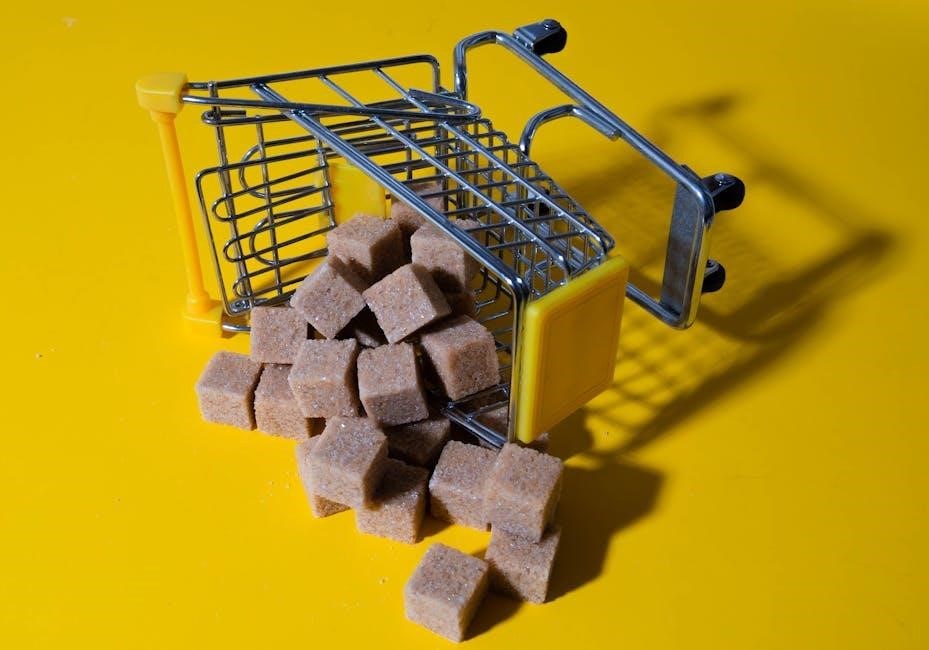
Successfully navigating a no-sugar diet requires awareness. Primarily, eliminate refined sugars like table sugar and corn syrup found in processed foods and sweetened beverages. However, sugar hides unexpectedly! Be vigilant about reading food labels – it’s present in sauces, dressings, and even seemingly healthy items.
Natural sugars, like those in fruit, honey, and maple syrup, require moderation. While offering some nutrients, they still impact blood sugar. This comprehensive guide, including a customizable 1800-calorie plan (with 1500/2000 options), helps you identify and minimize all sugar sources.
Refined Sugars: Table Sugar, Corn Syrup

Refined sugars are the primary culprits to eliminate on a no-sugar diet. Table sugar (sucrose) and high-fructose corn syrup are pervasive in processed foods, sodas, and many packaged snacks. These offer empty calories and contribute to energy crashes, hindering blood sugar management.
Our detailed PDF guide, featuring a 30-day meal plan at 1800 calories (adaptable to 1500 or 2000), emphasizes avoiding these ingredients. Vigilantly check labels for hidden refined sugars, as they often appear under various names, impacting your overall health goals.
Natural Sugars: Fruit, Honey, Maple Syrup ― Moderation is Key
While preferable to refined sugars, natural sugars still impact blood glucose levels. Fruits, honey, and maple syrup contain fructose, requiring mindful consumption on a no-sugar diet. Our comprehensive PDF guide, offering 1800-calorie plans (with 1500 & 2000 variations), advocates for moderation.
Prioritize low-glycemic fruits like berries, and use natural sweeteners sparingly. The 30-day plan focuses on balancing these with lean proteins and healthy fats, promoting stable energy and effective blood sugar control. Careful portioning is crucial for success.
Creating a No Sugar Diet Food List PDF
Our downloadable PDF simplifies your no-sugar journey! It’s designed around a 30-day, 1800-calorie plan, easily modified to 1500 or 2000 calories, catering to individual needs. The guide emphasizes identifying hidden sugars in processed foods, empowering informed choices.
The PDF includes essential food group breakdowns – lean proteins, healthy fats, and non-starchy vegetables – alongside sample meal plans. It’s a practical tool for navigating grocery shopping and meal prepping, supporting consistent blood sugar management and overall wellness. Download today!
Essential Food Groups for a No-Sugar Lifestyle
Building a successful no-sugar diet centers around key food groups. Prioritize lean proteins like chicken, fish, turkey, and tofu for sustained energy and satiety. Embrace healthy fats – avocado, nuts, seeds, and olive oil – for essential nutrients and fullness.
Crucially, load up on non-starchy vegetables such as broccoli, spinach, lettuce, and cucumber. These provide vital fiber and nutrients with minimal impact on blood sugar. Combining these groups creates balanced, satisfying meals, supporting your 1800 (or modified) calorie plan.
Lean Proteins: Chicken, Fish, Turkey, Tofu
Lean proteins are foundational for a no-sugar lifestyle, providing essential amino acids without contributing to blood sugar spikes. Opt for skinless chicken breast, wild-caught fish like salmon, and lean ground turkey. These choices support muscle maintenance and promote satiety, crucial for adhering to your 1800-calorie plan.
For plant-based options, tofu is an excellent source of protein. Incorporate these proteins into lunch and dinner recipes, ensuring each meal is balanced and satisfying. They’re key to curbing cravings and maintaining stable energy levels.
Healthy Fats: Avocado, Nuts, Seeds, Olive Oil
Essential for overall health, healthy fats play a vital role in a no-sugar diet. Incorporate avocados, a source of monounsaturated fats, into salads or as a side. Nuts and seeds, like almonds and chia seeds, provide sustained energy and fiber – portion control is key, with ¼ cup recommended as an addition to snacks.
Olive oil is ideal for cooking and dressings. These fats promote satiety, helping manage cravings and supporting the 1800-calorie meal plan. They contribute to stable blood sugar levels and overall well-being.
Non-Starchy Vegetables: Broccoli, Spinach, Lettuce, Cucumber
Foundation of a sugar-free diet, non-starchy vegetables are low in carbohydrates and rich in essential nutrients. Broccoli, spinach, lettuce, and cucumber offer fiber, aiding digestion and promoting fullness. These vegetables are incredibly versatile – enjoy them in salads, as side dishes, or incorporated into stir-fries.
They contribute significantly to the 1800-calorie plan, providing volume without impacting blood sugar levels. Prioritize these options to create satisfying, nutrient-dense meals and snacks throughout your 30-day journey.
Sample 1800 Calorie No Sugar Meal Plan (PDF Content)
Our comprehensive PDF features a detailed 30-day meal plan, meticulously crafted at 1800 calories to stabilize blood sugar. This plan emphasizes lean proteins, healthy fats, and abundant non-starchy vegetables, eliminating added sugars. It’s designed for sustained energy and reduced cravings.
The PDF also includes adaptable modifications for 1500 and 2000 calorie needs. Each day delivers at least 68 grams of protein, ensuring satiety and supporting muscle maintenance. Expect practical recipes and portion guidance for success!
Modifications: 1500 & 2000 Calorie Options (PDF Variations)
Our downloadable PDF offers flexible calorie adjustments to suit individual needs and activity levels. The 1500-calorie version provides a more restrictive approach for weight loss, while the 2000-calorie option supports higher energy expenditure.
Simple modifications are outlined within the PDF, such as adding ¼ cup of unsalted almonds to the A.M. snack for the 1800-calorie plan, or increasing to a full ½ cup for the 2000-calorie version. Similarly, ¼ cup of low-fat kefir can be added to the P.M. snack for calorie boosts.
Breakfast Ideas for a No Sugar Diet
Start your day right with these delicious and sugar-conscious breakfast options! Ditch the sugary cereals and pastries for sustained energy. Consider a hearty serving of eggs paired with a colorful array of non-starchy vegetables like spinach, peppers, and onions – a protein and nutrient powerhouse.
Alternatively, opt for plain Greek yogurt, a fantastic source of protein, topped with a handful of berries and a sprinkle of nuts for healthy fats and fiber. These breakfasts will keep you feeling full and focused throughout the morning, avoiding those mid-morning sugar cravings.
Eggs & Vegetables
A cornerstone of a no-sugar breakfast, eggs and vegetables offer a protein-packed and nutrient-rich start to your day. Scrambled, fried, or poached, eggs provide essential amino acids for sustained energy. Combine them with a vibrant mix of non-starchy vegetables like spinach, mushrooms, bell peppers, and onions.
This combination delivers vital vitamins, minerals, and fiber, promoting fullness and preventing blood sugar spikes. Feel free to season with herbs and spices for added flavor – avoid sugary sauces or syrups. It’s a simple, versatile, and incredibly satisfying breakfast choice!
Plain Greek Yogurt with Berries & Nuts
Kickstart your day with a delightful and healthy breakfast: plain Greek yogurt topped with berries and a sprinkle of nuts! Greek yogurt is a protein powerhouse, keeping you feeling full and satisfied. Berries, with their low glycemic index, provide natural sweetness without causing blood sugar crashes.
A small handful of nuts adds healthy fats and extra crunch. Ensure the yogurt is plain to avoid added sugars – flavor it naturally with the berries. This combination is a quick, easy, and incredibly nutritious way to begin a sugar-conscious day!
Lunch Options: Sugar-Free & Satisfying
Fuel your afternoon with lunches designed to keep you energized and on track! Opt for vibrant salads brimming with lean protein – think grilled chicken or fish – and dressed with a simple olive oil and vinegar dressing. Avoid pre-made dressings, as they often contain hidden sugars.
Alternatively, enjoy a vegetable-based soup, ensuring no sugar has been added during preparation. These options are both filling and nutritious, providing sustained energy without the sugar rush and subsequent crash. Prioritize whole, unprocessed foods for optimal results!
Salads with Lean Protein & Olive Oil Dressing
Create vibrant, satisfying salads as a cornerstone of your no-sugar lunch! Begin with a base of mixed greens, then add a generous portion of lean protein – grilled chicken, baked fish, or even tofu are excellent choices. Boost nutritional value with non-starchy vegetables like cucumber, bell peppers, and spinach.
The key is the dressing: ditch sugary store-bought varieties and opt for a simple emulsion of olive oil and vinegar. This provides healthy fats and flavor without compromising your dietary goals. Season with herbs and spices for added zest!
Soup (Vegetable-Based, No Added Sugar)
Warm up with a nourishing, sugar-free soup – a perfect lunchtime option! Focus on vegetable-based broths, brimming with nutrients and fiber. Excellent choices include tomato, zucchini, or spinach soups. Ensure there’s absolutely no added sugar during preparation; many canned soups contain hidden sweeteners, so homemade is best.
Enhance flavor with herbs, spices, and a touch of lemon juice. You can also add small amounts of lean protein like shredded chicken or turkey for a more substantial meal. Avoid creamy soups unless you’re certain they’re sugar-free.
Dinner Recipes: Flavorful & Sugar-Conscious
Elevate your evenings with delicious, sugar-conscious dinners! Consider Baked Salmon with Roasted Vegetables – a simple yet satisfying meal packed with healthy fats and nutrients. Alternatively, a Chicken Stir-Fry with Brown Rice offers a vibrant flavor profile, but crucially, avoid sugary sauces.
Opt for homemade sauces using herbs, spices, and a touch of tamari or coconut aminos instead of store-bought options. Prioritize lean proteins and non-starchy vegetables to create balanced, blood-sugar-friendly meals. Remember portion control for optimal results!

Baked Salmon with Roasted Vegetables
A cornerstone of a no-sugar lifestyle, this dish is both nutritious and flavorful! Begin with a salmon fillet, seasoned simply with herbs like dill, rosemary, and a squeeze of lemon juice. Pair it with a medley of roasted vegetables – broccoli, bell peppers, zucchini, and asparagus are excellent choices.
Roasting brings out their natural sweetness without added sugars. Drizzle the vegetables with olive oil and season with salt and pepper before baking alongside the salmon. This meal provides lean protein, healthy fats, and essential vitamins, supporting stable blood sugar levels.
Chicken Stir-Fry with Brown Rice (No Sugary Sauce)
Enjoy an Asian-inspired delight, carefully crafted to exclude added sugars! Start with diced chicken breast, stir-fried with a vibrant mix of non-starchy vegetables like snap peas, carrots, and mushrooms. The key is the sauce – avoid pre-made options loaded with sugar.
Instead, create your own using low-sodium soy sauce, ginger, garlic, and a touch of rice vinegar. Serve this flavorful stir-fry over a bed of nutritious brown rice, providing complex carbohydrates for sustained energy and blood sugar control.
Snack Ideas to Curb Cravings
Beat those sugar cravings with smart, satisfying snacks! Portion-controlled nuts and seeds – like almonds or pumpkin seeds – offer healthy fats and protein to keep you feeling full. Pair vegetable sticks (cucumber, carrots, celery) with a serving of hummus for a fiber-rich and flavorful option.
These snacks provide sustained energy without the blood sugar spikes associated with sugary treats. Remember, mindful snacking is crucial; pre-portioning helps avoid overindulgence and supports your no-sugar goals.
Nuts & Seeds (Portion Controlled)
A handful of nuts or seeds can be a powerful craving-buster! Options like almonds, walnuts, chia seeds, and pumpkin seeds deliver healthy fats, protein, and fiber – essential for sustained energy and satiety. However, portion control is key; a ¼ cup serving is generally recommended.
Nuts and seeds are calorie-dense, so exceeding the recommended amount can hinder your progress. Opt for unsalted, dry-roasted varieties to avoid added sugars and unhealthy oils. They’re a convenient and nutritious snack for a no-sugar lifestyle.
Vegetable Sticks with Hummus
Crisp, refreshing, and satisfying – vegetable sticks paired with hummus are a fantastic snack choice! Carrots, celery, cucumber, and bell peppers provide essential vitamins, minerals, and fiber, while hummus offers plant-based protein and healthy fats. This combination keeps you feeling full and energized.
Ensure your hummus is sugar-free, as some commercial brands add sweeteners. Homemade hummus is a great option for complete control over ingredients. This snack is perfect for curbing cravings and supporting a balanced, no-sugar diet.
Summer Foods for Blood Sugar Management
Embrace the bounty of summer with foods that naturally support stable blood sugar levels! Berries, boasting a low glycemic index, are an excellent choice, delivering antioxidants and fiber. Watermelon, surprisingly, can be beneficial due to its high water content, aiding in digestion and absorption.
Prioritize fresh, whole fruits over juices. These summer staples, alongside other non-starchy vegetables, contribute to a satisfying and sugar-conscious diet. Enjoy seasonal produce to maximize flavor and nutritional benefits throughout the warmer months!
Berries (Low Glycemic Index)
Berries are a superstar addition to your no-sugar diet, offering sweetness without the blood sugar spike! Strawberries, blueberries, raspberries, and blackberries all possess a low glycemic index, meaning they release glucose slowly into the bloodstream. This helps prevent energy crashes and cravings.
Packed with antioxidants and fiber, berries contribute to overall health and satiety. Enjoy them as a snack, add them to plain yogurt, or incorporate them into sugar-free smoothies for a delicious and guilt-free treat. They are a perfect summer choice!
Watermelon (High Water Content)
Beat the heat and manage blood sugar with refreshing watermelon! Despite its sweetness, watermelon boasts a high water content – over 90% – which aids in hydration and promotes fullness. This can help curb overeating and reduce cravings for sugary snacks.
While watermelon does contain natural sugars, its high water and fiber content slow down absorption. Enjoy it in moderation as part of a balanced no-sugar diet, especially during warmer months. It’s a delicious and hydrating way to stay on track!
Navigating Food Labels: Identifying Hidden Sugars
Become a label-reading pro to successfully eliminate sugar! Sugar hides under many aliases – it’s not always listed as “sugar.” Look for ingredients ending in “-ose” like glucose, fructose, and sucrose. Be wary of corn syrup, dextrose, and maltose, all refined sugars to avoid.
Also, scrutinize for seemingly healthy ingredients like honey, maple syrup, and agave nectar; while natural, they still impact blood sugar. Prioritize products with minimal ingredient lists and transparent labeling to maintain a truly no-sugar lifestyle.
Resources for Printable No Sugar Diet Food Lists (PDF Downloads)
Streamline your no-sugar journey with readily available PDF resources! A well-structured food list is crucial for success, and downloadable PDFs offer convenient organization. These lists categorize approved foods, simplifying grocery shopping and meal planning.
Look for comprehensive guides detailing portion sizes and calorie counts, aligning with 1500, 1800, or 2000-calorie plans. Printable formats allow for easy tracking and customization, ensuring you stay focused on your goals. Utilize these tools to empower your commitment to a sugar-free lifestyle!
Potential Challenges & How to Overcome Them

Embarking on a no-sugar diet presents hurdles, but preparation is key! Initial cravings and energy dips are common; combat these with healthy snacks like nuts or vegetable sticks with hummus. Hidden sugars in processed foods require diligent label reading – become a detective!
Social situations can be tricky; plan ahead by bringing sugar-free alternatives or politely declining tempting treats. Remember, consistency is paramount. Utilize your PDF food list as a guide, and celebrate small victories to maintain motivation throughout your journey.